

Published October 5, 2026
Selling a Magnolia Park Home? Start With the Garage, Bonus Room, and Paperwork

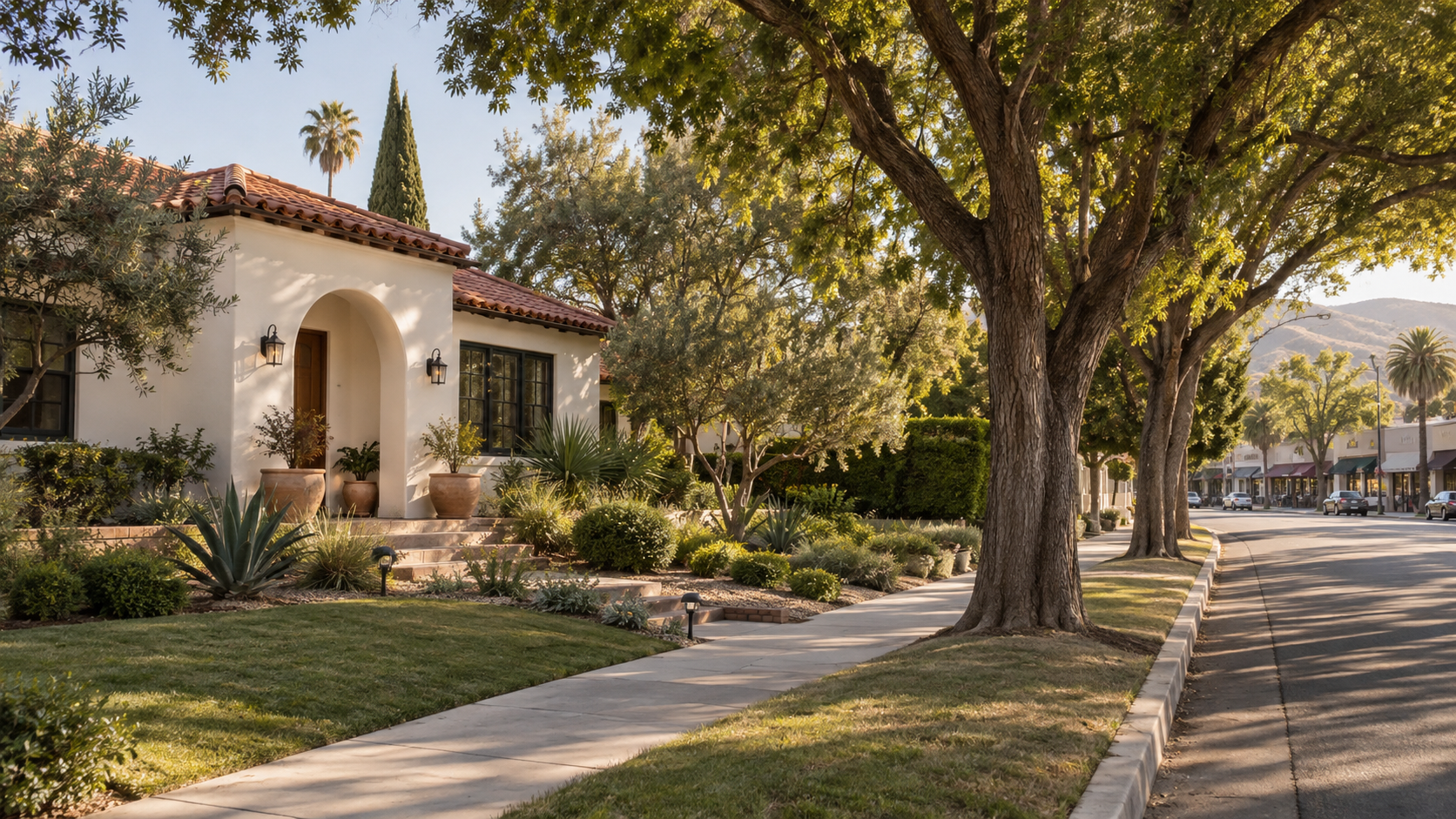
When you're preparing to sell a home in Burbank's Magnolia Park, it's easy to begin with the visible jobs: freshening the landscaping, choosing paint, and deciding which furniture should stay for photographs.
Those tasks can help with presentation. But if your home has a converted garage, a detached workspace, an enclosed patio, or an addition, begin with a different question: how will you accurately explain those spaces to buyers?
The room you've always called the guest room may have a different description in the property's records. A garage used for work may still need to be evaluated as a garage. Getting organized early gives you time to resolve questions before they become part of a buyer's decision.
1. Make a room-by-room property inventory
Walk through the main house, yard, garage, and any detached structures. List spaces that have been added, altered, or used differently over time.
Include changes made before you owned the property, even if you don't know their full history. Write down what you know and what you need to investigate. The purpose is to organize the facts, not to guess at conclusions.
For each space, collect available plans, permits, inspection records, contractor invoices, and documents from your purchase. Keep these in a folder you can review with your agent and the appropriate professionals.
A simple inventory can reveal the difference between a question you can answer immediately and one that needs additional research.
2. Start with Burbank's property information resources
Burbank offers a Property Information Portal with searches by address, assessor parcel number, or permit number. The City's Building & Safety page also provides access to permit and records resources. These are useful starting points when gathering a property's history. [Sources: Burbank Property Information Portal](https://permit.burbankca.gov/pi/jsp/frameTop.jsp) and [Building & Safety](https://www.burbankca.gov/web/community-development/building-safety)
Don't assume that one search result resolves every question. If records appear incomplete, unfamiliar, or inconsistent with the current layout, ask the City how to investigate further.
Likewise, finding a permit number doesn't answer every question about the work's scope or completion. Ask for help understanding which documents are relevant and whether there are outstanding issues to address.
3. Distinguish everyday use from approved use
You may have worked in a detached room for years or used an enclosed space when guests visited. Those experiences explain how you lived in the home, but they don't independently establish how the space should be represented in a sale.
Before describing an area as an ADU, additional bedroom, separate dwelling, or part of the advertised living area, verify the basis for that description with your agent and qualified professionals.
The same care applies to future possibilities. “Room to explore an improvement” and “approved for an improvement” communicate different things. If you don't have the documentation to support a claim, don't present it as established.
Clear descriptions help buyers assess the property without relying on implications that haven't been verified.
4. Decide which preparation projects deserve attention
Once you understand the property, review the work you are considering before listing. Separate routine presentation tasks from repairs or alterations that may involve permits or specialist input.
For proposed building or remodeling work, Burbank directs owners to consult Planning about land-use approvals before submitting a building permit application. The City notes that other departments may need to review a project depending on its scope. [Source: Burbank Build or Remodel](https://www.burbankca.gov/web/community-development/building-or-remodel)
This is a reason to investigate early. Don't commit to a renovation schedule based only on how quickly someone says the physical work can be completed.
Discuss your timeline and priorities with your agent, then obtain appropriate professional guidance for the projects you decide to pursue.
5. Show how the garage, yard, and house work together
Magnolia Park sellers with detached space have a useful story to explain: how the different parts of the property connect.
Walk the route from the main house to the garage or outbuilding. Clear unnecessary clutter so visitors can understand the layout. Show where vehicles enter, where storage sits, and how the outdoor areas are used.
If you've turned the garage into a workspace, consider how to present it without obscuring its documented status. Staging can suggest a practical arrangement, but the listing description should remain accurate.
Photographs should help someone understand the property, including its access and layout, rather than leave them guessing which rooms are connected.
6. Make the Magnolia Park location concrete
A neighborhood description is more useful when it tells buyers something specific. The Chandler Bikeway, for example, is a local feature with separate pedestrian and bicycle lanes, landscaping, and public art. [Source: Visit Burbank](https://visitburbank.com/what-to-do/outdoors-activities/chandler-bikeway/)
If access to the bikeway is relevant to your address, describe it accurately. Check the route and distance before including a claim. Apply the same approach to destinations along Magnolia Boulevard that are relevant to the property.
Avoid broad promises about lifestyle or convenience. A buyer can decide whether a verified feature matters to them. Your job is to make that feature understandable.
7. Prepare for buyer questions before photography day
Imagine touring your own home for the first time. What would you ask about the detached space? Would you want to know when a bathroom was added, which improvements were completed, or how parking works?
Create a list of likely questions and identify the documents or professionals needed to answer them. Share uncertainties with your agent so they can be handled appropriately during sale preparation and disclosure discussions.
You don't need to become a building expert. You do need an organized way to distinguish known facts, open questions, and proposed possibilities.
That preparation gives the listing a clearer foundation than polished photographs alone.
Thinking about selling your Magnolia Park home?
Tell us your address, expected timeline, and whether the property includes an addition, garage conversion, or detached room. We can discuss the steps to organize before pricing, photography, and marketing begin.
If you're still deciding when to sell, that's a useful time to start the conversation. Early planning allows you to ask questions before choosing which projects to undertake.
Your home's character deserves thoughtful presentation. Its details deserve the same attention.